History, Dynamics and Conservation of a Caledonian Pinewood
Edward Wilson | Silviculturist
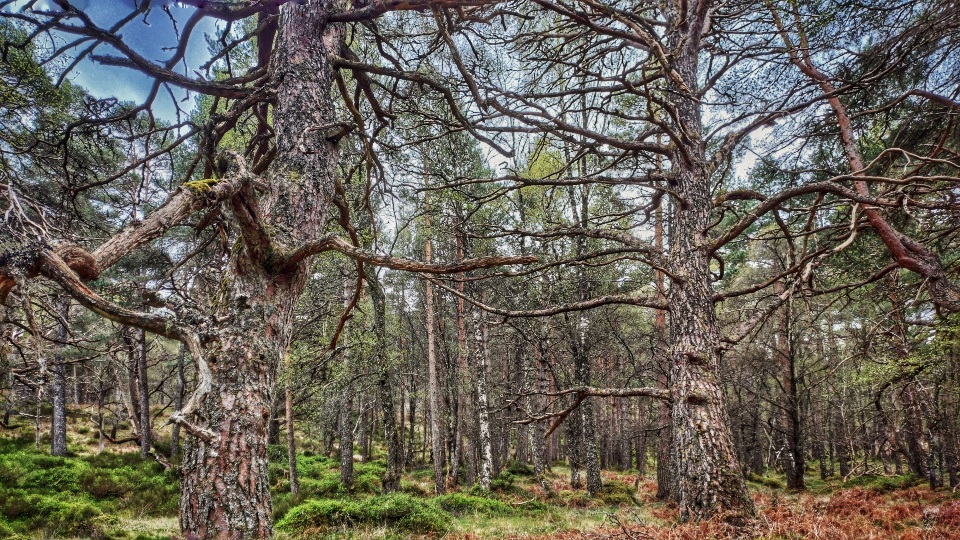
The Black Wood of Rannoch is one of the most significant and ecologically robust remnants of the ancient Caledonian pinewoods that once cloaked the vast majority of the Scottish Highlands (Bunce and Jeffers 1977, Broekmeyer et al 1999). Located on the southern shore of Loch Rannoch in Highland Perthshire, this forest is a living testament to ten millennia of post-glacial ecological succession, socio-political change, and evolving conservation philosophies.
As a primary component of Scotland’s natural heritage, the Black Wood is classified as a Special Area of Conservation (SAC) and a Site of Special Scientific Interest (SSSI) (JNCC undated, NatureScot undated, NatureScot 2020). These designations reflect the Black Wood’s international importance as a relict of the Great Forest of Caledon. Its survival into the twenty-first century is a result of both geographical isolation and a series of fortuitous management shifts, ranging from its time as a forfeited estate after the Jacobite rebellions to its current status as a focal point for long-term ecological research and biocultural restoration.
Historical Evolution and Social Context
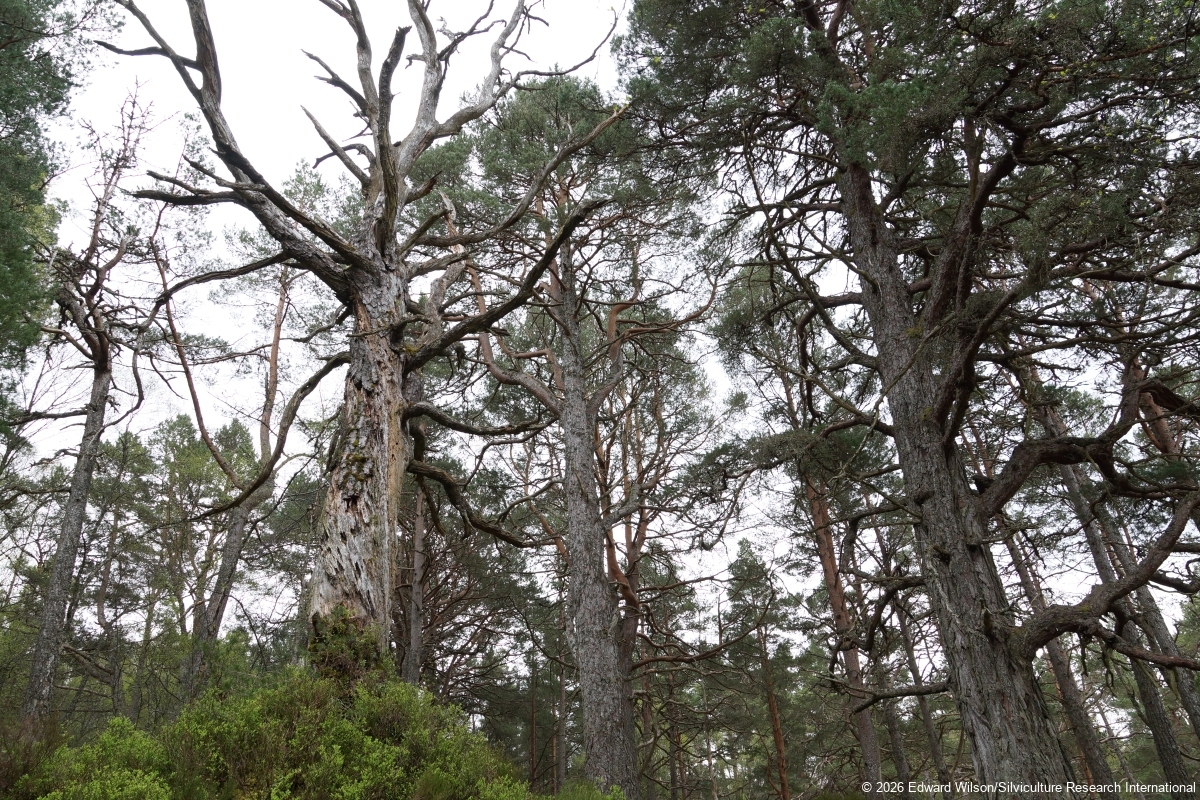
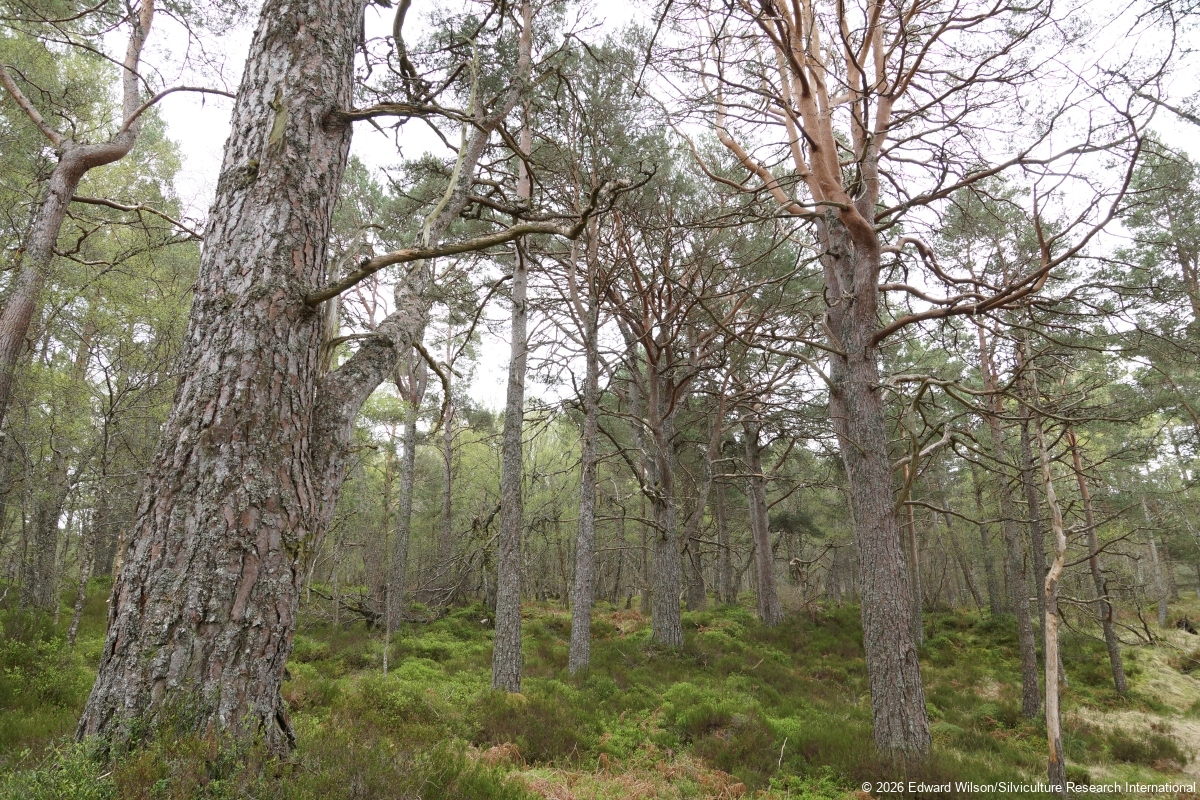
The history of the Black Wood of Rannoch is intrinsically linked to the retreat of the Pleistocene ice sheets approximately 10,000 years ago. As the climate stabilised during the Holocene, pioneer species such as Scots pine (Pinus sylvestris) and silver birch (Betula pendula) migrated northward, establishing a forest that reached to near the mountain summits. This ancient provenance distinguishes the Black Wood from the vast majority of British woodlands, as its trees are the descendants of natural regeneration rather than human plantation. The forest is situated on the “Slisgarrow” or “Slios Garbh,” the rough side of Loch Rannoch, characterized by moist, damp, and cold air that has historically influenced the growth rates and morphology of its timber.
Pre-Industrial Exploitation and Clan Heritage
More recent development has shown the influence of human activity throughout the wood (Table 1). During the medieval and early modern periods, the Black Wood was part of the Robertson of Struan possessions. The wood served as a formidable refuge for various clans, most notably the MacGregors and the Robertsons. During these centuries, the forest was a wild landscape inhabited by wolves, wild boars, and the elusive wild cat. Local tradition suggests that the last wolf in Scotland was killed in Rannoch, highlighting the forest’s role as a final stronghold for Pleistocene megafauna. The wood was also a vital economic resource; records indicate that timber was sold as early as 1512, and a sawmill was operational by 1695.
The political aftermath of the 1745 Jacobite rebellion brought a radical shift in management. Following the death of the 13th Robertson chief in 1749, the estate was seized by the Crown and managed by the Commissioners for Forfeited Estates until 1784. This period marked the beginning of documented management intended to civilize the Highlands and generate revenue for social improvements. In 1756, Captain James Stuart requested timber for a boat on Loch Rannoch to transport “meal and firing” for troops, indicating the forest’s strategic role in military logistics.
Industrial Archaeology and 20th Century Threats
During the 18th century, an elaborate system of canals was constructed within the forest to facilitate the extraction of heavy logs to Loch Rannoch. These canals remain visible today, continuing to influence the hydrology of the site. Despite this exploitation, the forest survived significant 20th-century threats. Plans to fell the entire wood during World War I were thwarted by logistical difficulties, and although selective felling occurred during World War II, led by Canadian lumberjacks (Canadian Forestry Corps) who targeted the largest “granny pines”, the core ecological structure remained intact (Whayman 1949). Since the 1947 acquisition by the Forestry Commission, management has transitioned from timber production to intensive conservation and long-term scientific monitoring (Peterken 1993).
Table 1. Historical milestones in the development of the Black Wood of Rannoch
| Historical Milestones | Event Description | Management Context |
| c. 8,000 BCE | Post-glacial colonization | Natural establishment of pioneer species |
| 1512 | First recorded timber sales | Early commercial use by Robertson Clan |
| 1695 | Sawmill established at Rannoch | Industrialization of timber processing |
| 1749 – 1784 | Forfeited Estates period | Systematic Crown management and enclosure |
| 1763 | Construction of wood enclosure | Early conservation-minded fencing |
| 1857 | Sale to Wentworth family | Transition to private Victorian estate |
| 1947 | Forestry Commission acquisition | State focus on research and restoration |
| 2005 | SAC Designation | Recognition as a European priority habitat |
Ecological Characterization and Biodiversity Attributes
The Black Wood of Rannoch is defined as an “oceanic” type of native pinewood, characteristic of the South Central biochemical region of Scotland. While it experiences higher elevations and lower rainfall than some western pinewoods, it retains a humid, mossy character that supports a specialized suite of flora and fauna.
Species Composition and Stand Structure
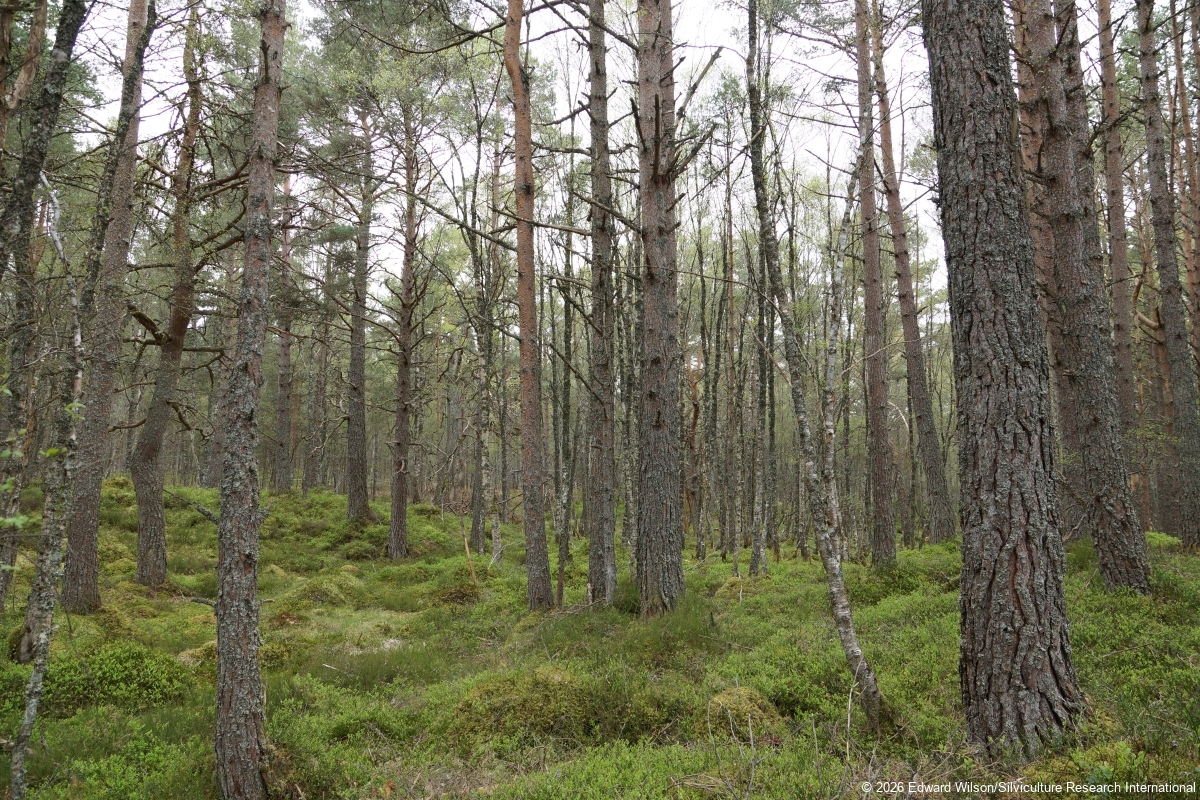
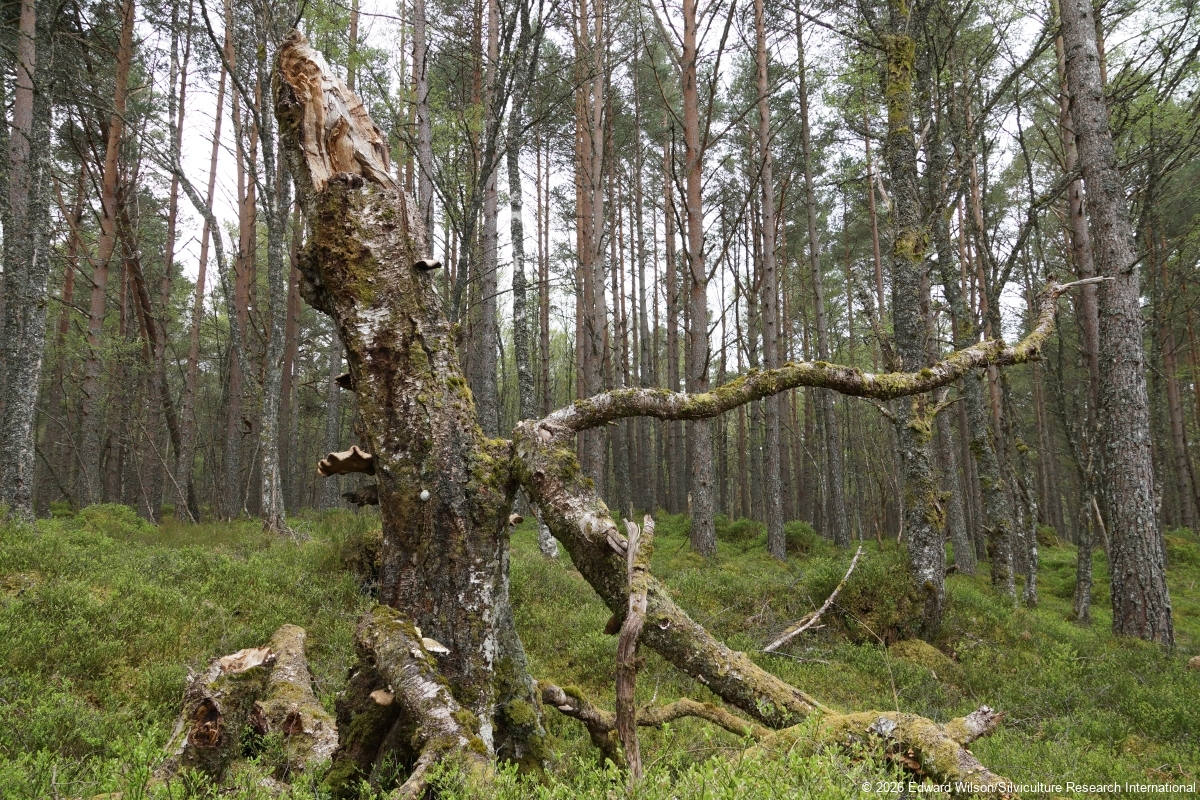
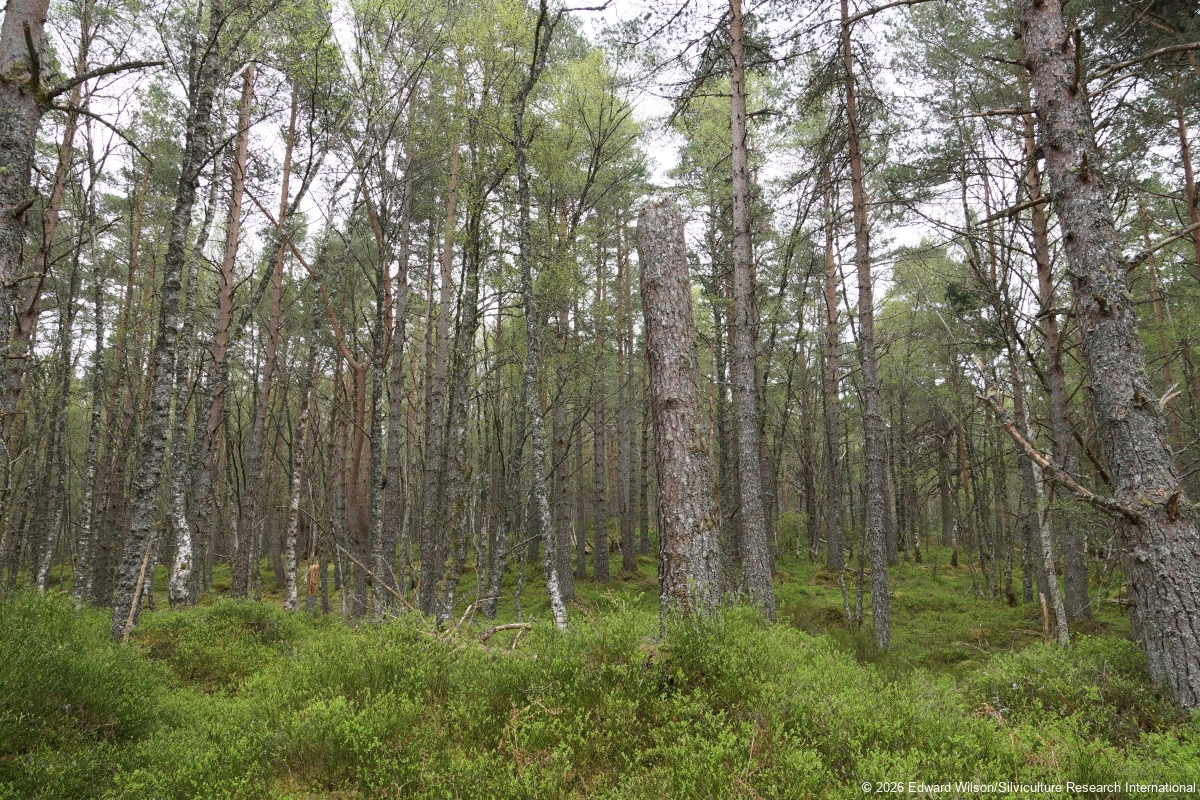
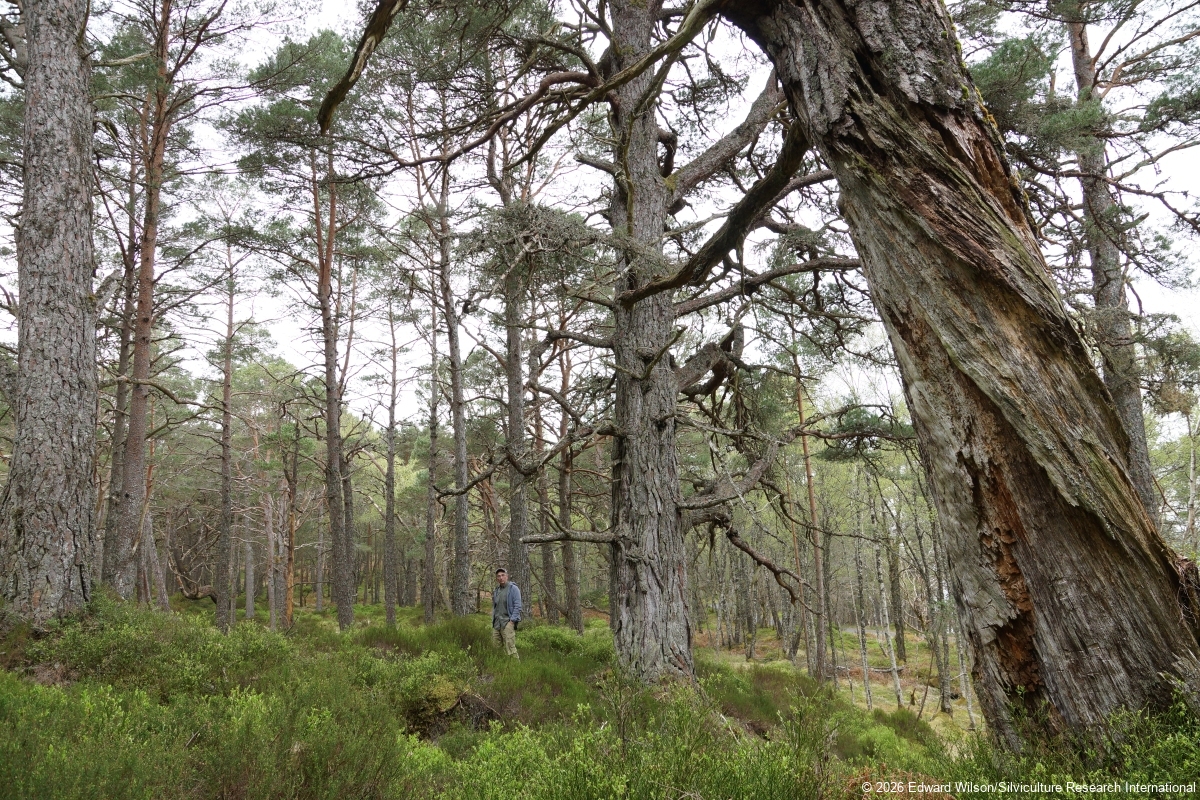
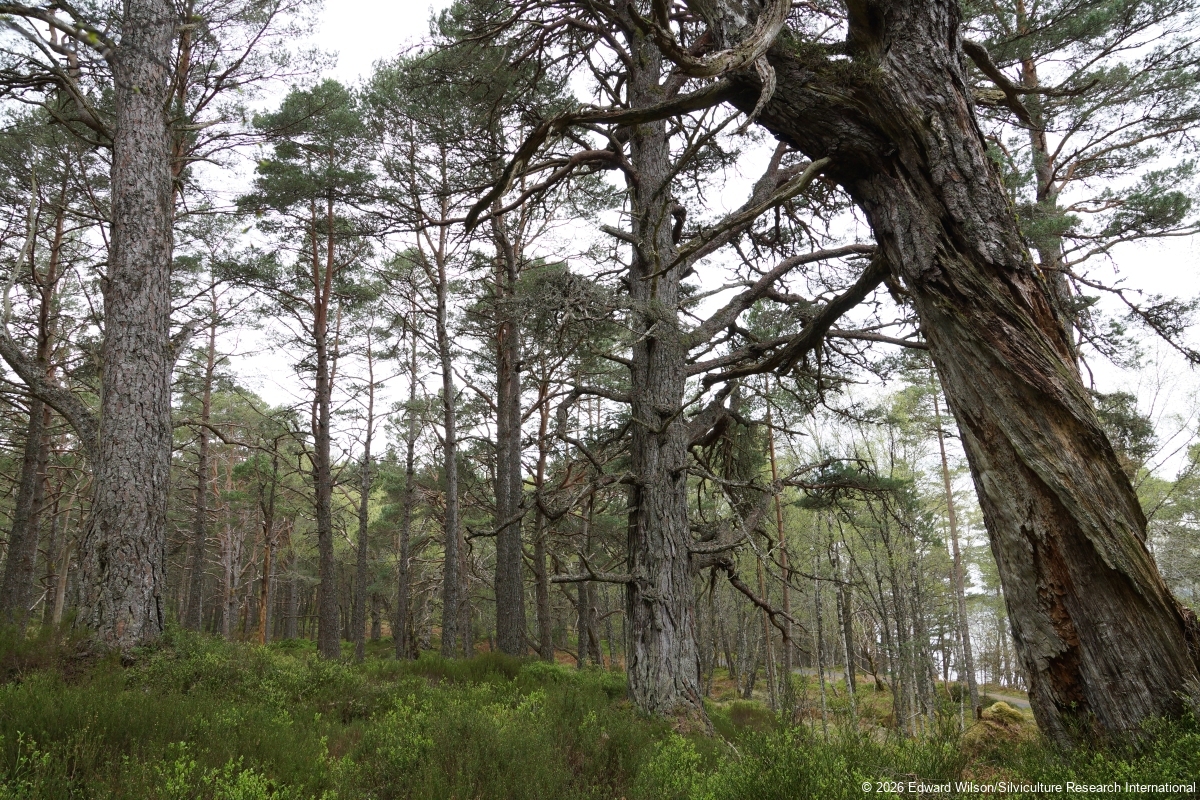
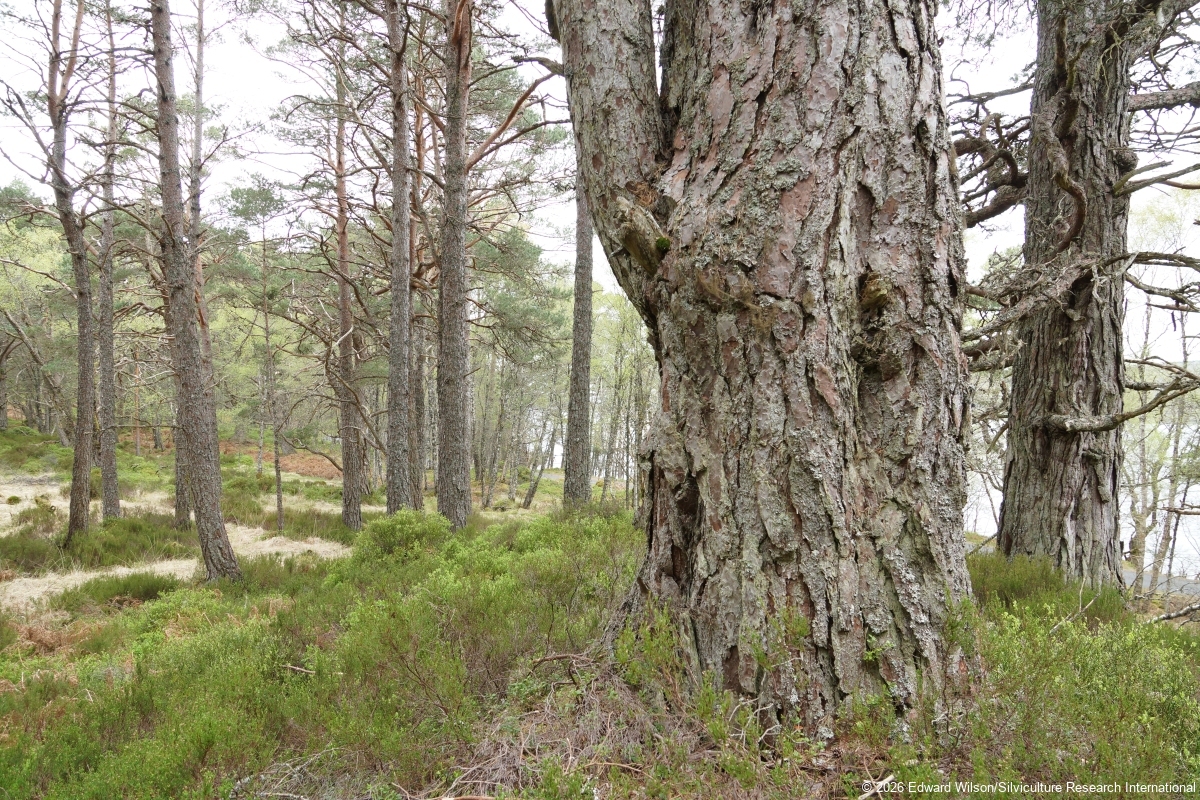
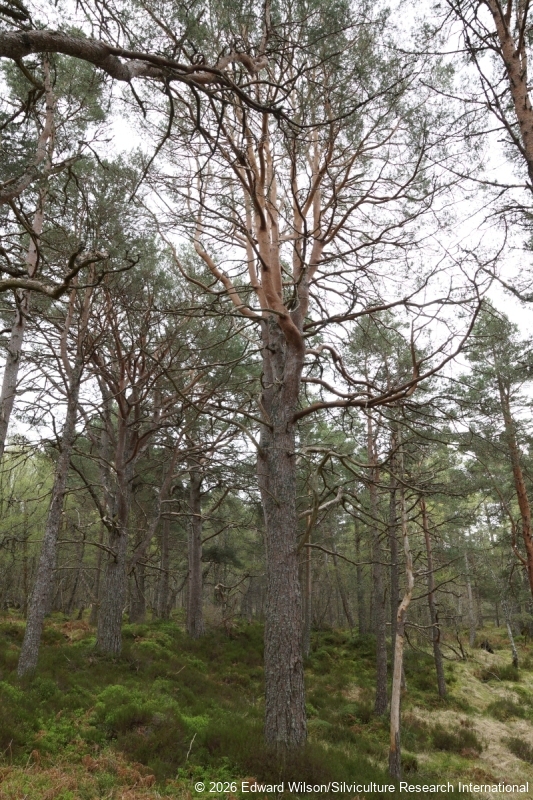
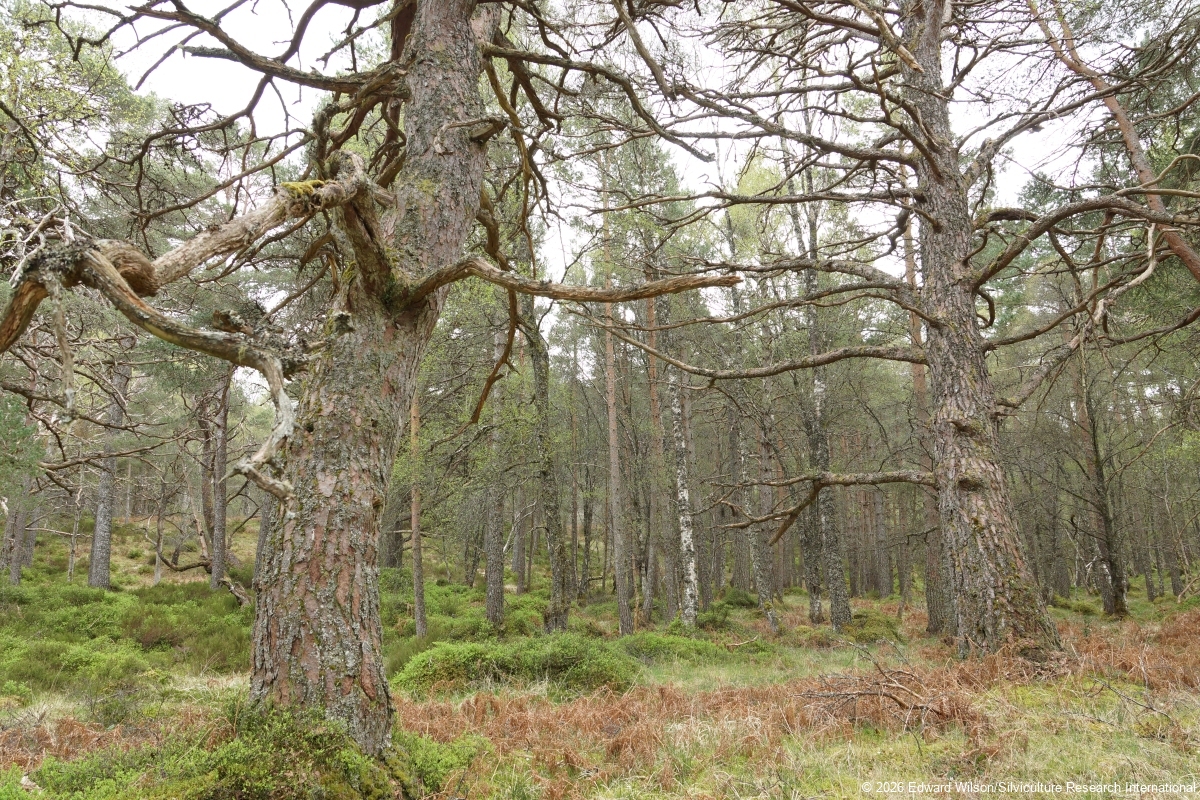
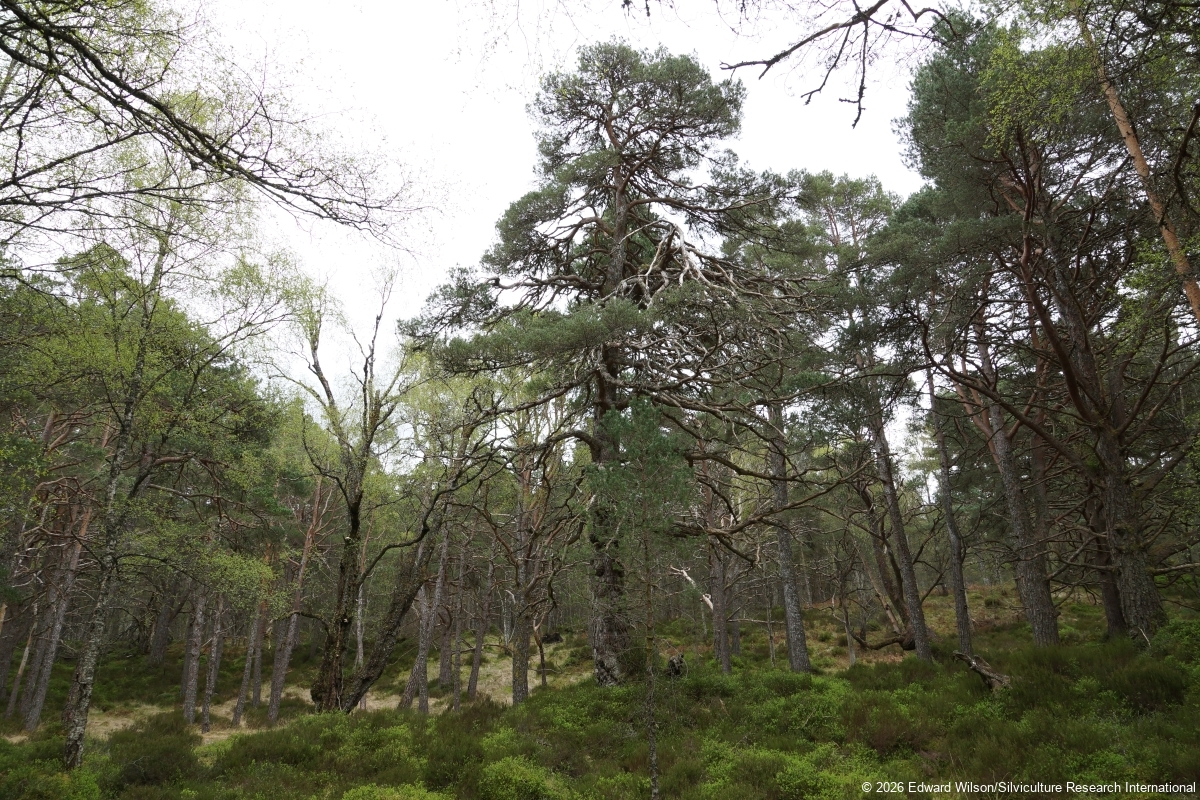
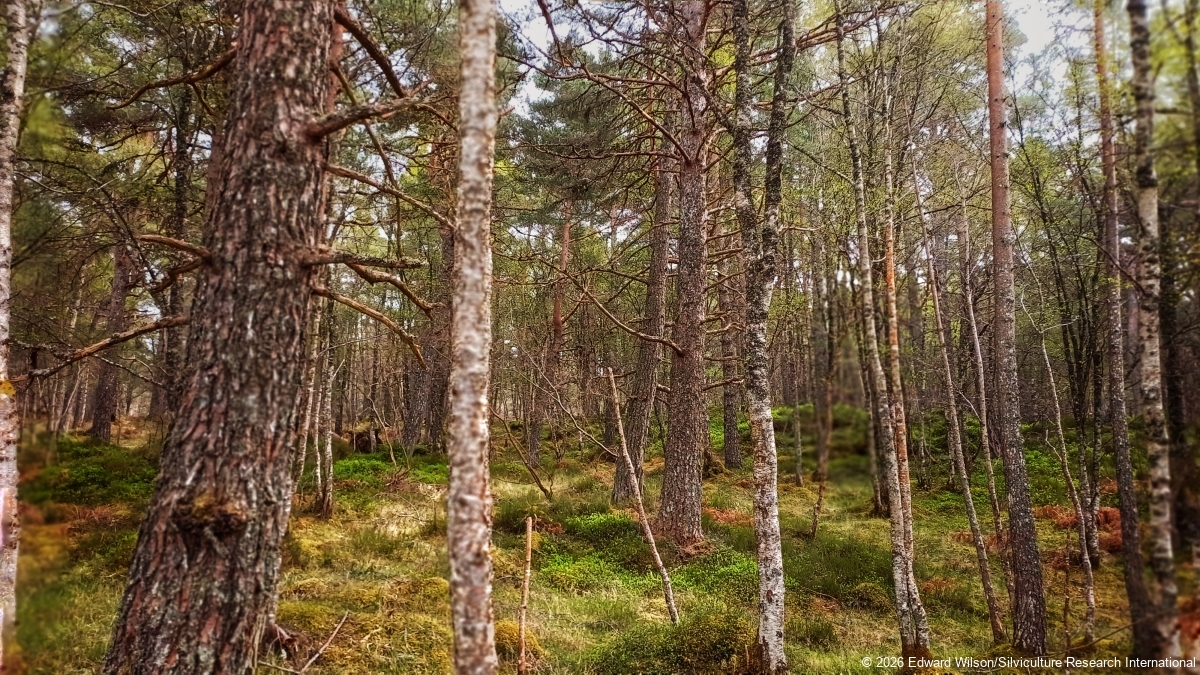
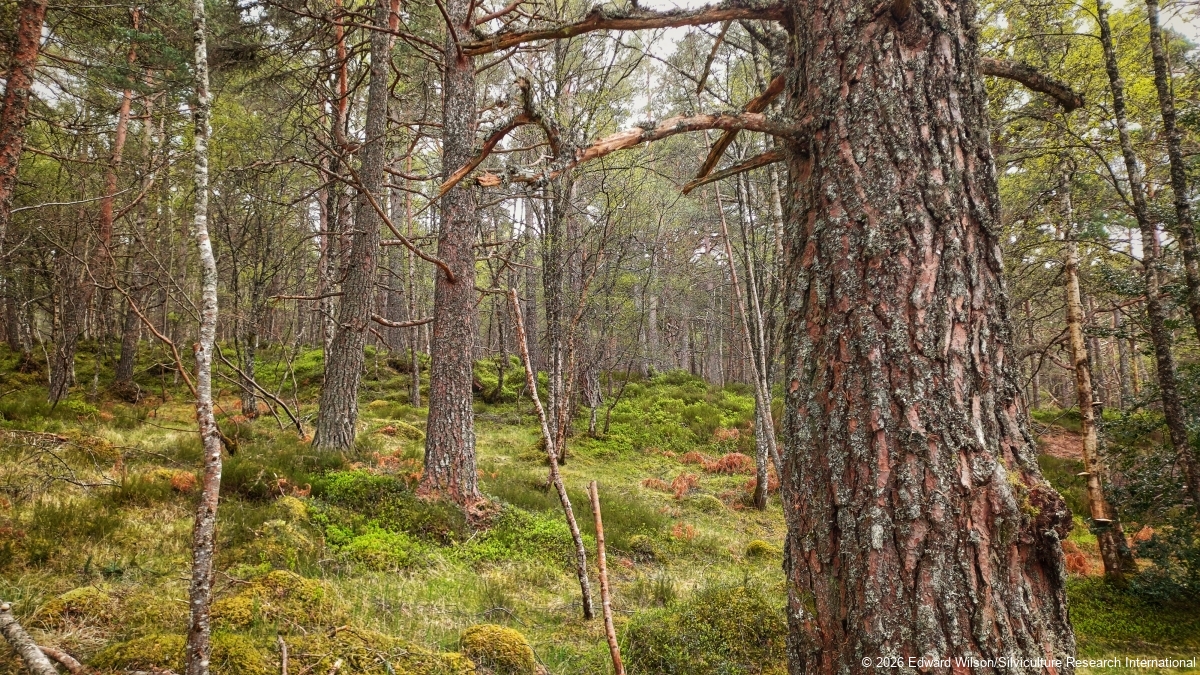
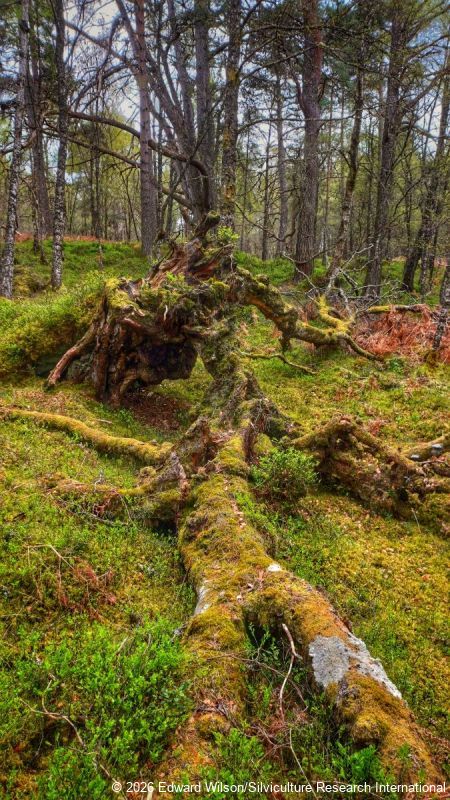
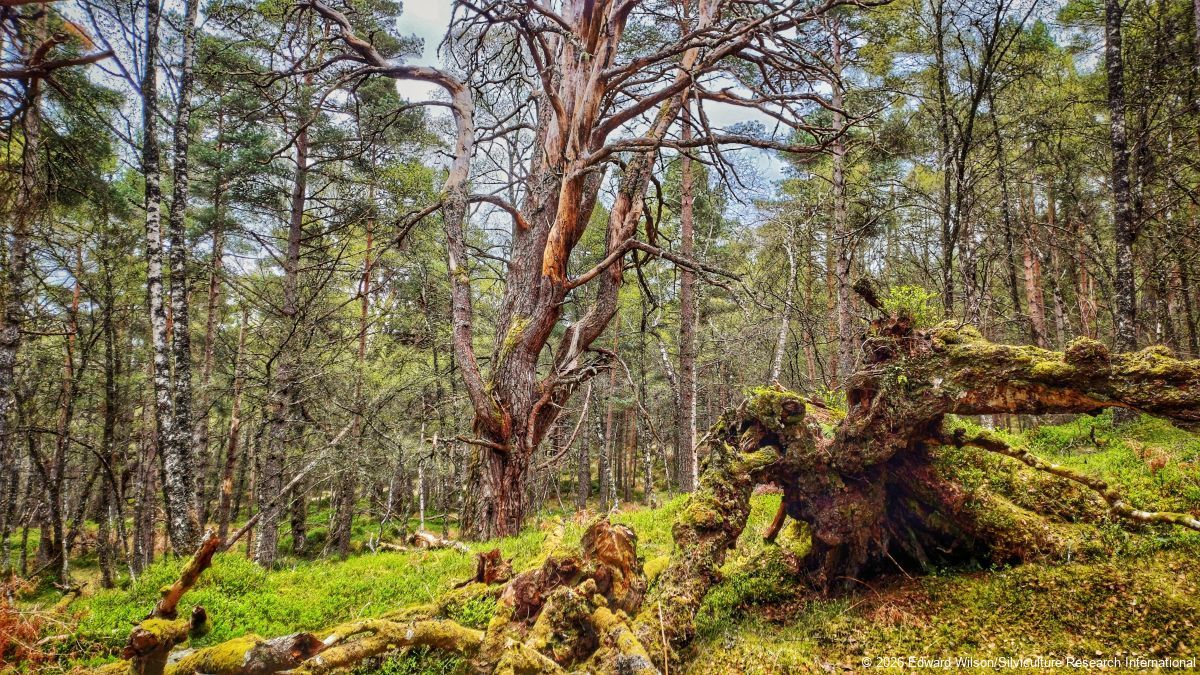
The forest canopy is dominated by Scots pine, interspersed with significant populations of silver birch and downy birch (Betula pubescens). Other native tree species present include aspen (Populus tremula), rowan (Sorbus aucuparia), goat willow (Salix caprea), bird cherry (Prunus padus), and juniper (Juniperus communis). Along the various burns that dissect the wood, such as the Dall Burn, alder (Alnus glutinosa) is common. The physical structure is characterized by its heterogeneity (Table 2); unlike uniform plantations, the Black Wood offers an open canopy that fosters an undercover of bilberry (Vaccinium myrtillus), heather (Calluna vulgaris), wood sorrel (Oxalis acetosella), and chickweed wintergreen (Trientalis europaea). A defining feature is the presence of “granny pines”. These are ancient trees, over 250 to 300 years old, with broad branching and furrowed bark that provide essential niches for biodiversity.
Table 2. Structural attributes of the Black Wood of Rannoch
| Canopy and Understory Composition | Common Species | Ecological Role |
| Primary Canopy | Scots Pine, Silver Birch | Key structural species and seed sources |
| Secondary Canopy | Aspen, Rowan, Bird Cherry | Diversity of fruit and niche resources |
| Shrub Layer | Juniper, Goat Willow | Shelter for invertebrates and birds |
| Ground Flora | Bilberry, Heather, Wood Sorrel | Essential cover for small mammals and insects |
| Specialized Flora | Coralroot Orchid, Serrated Wintergreen | Rare, indicator species of old pinewoods |
Key Biodiversity Features
The biodiversity of the Black Wood is particularly notable for its assemblages of non-vascular plants, invertebrates, and rare birds. The site is a haven for lichens and fungi characteristic of ancient woodlands, including the nationally rare lichen Calicium parvum and the fungus Scarlet Splash (Cytidia salicina). Rare vascular plants such as the coralroot orchid (Corallorhiza trifida) find sanctuary in the damp, acidic podzols of the forest floor.
- Avian Assemblages: The forest supports the Scottish crossbill (Loxia scotica), which has evolved crossed mandibles specifically for extracting seeds from pine cones. Capercaillie (Tetrao urogallus), though once extinct and later reintroduced, continue to breed here, benefiting from the old-growth structure.
- Invertebrates: The wood contains the largest number of rare insects of any Scottish site outside of Speyside. This includes dragonflies like the Northern Emerald (Somatochlora arctica) and the Azure Hawker (Aeschna caerulea), which utilize boggy pools and woodland margins. Wood ants (Formica spp.) build prominent mounds along tracks, hosting inquilines such as the metallic green Rose chafer beetle.
- Mammals: Red deer and roe deer are prevalent, while red squirrels and pine martens are common inhabitants. The presence of these species highlights the forest’s role as a refugium for typical Highland fauna.
The Backmeroff Transect Studies: Long-Term Dynamics
A critical component of the scientific understanding of the Black Wood is the long-term monitoring project initiated in the 1980s. These studies, the “Backmeroff Transects”, were designed to provide a statistically robust baseline for understanding structural and compositional changes in unmanaged native pinewoods (Peterken and Backmeroff 1988).
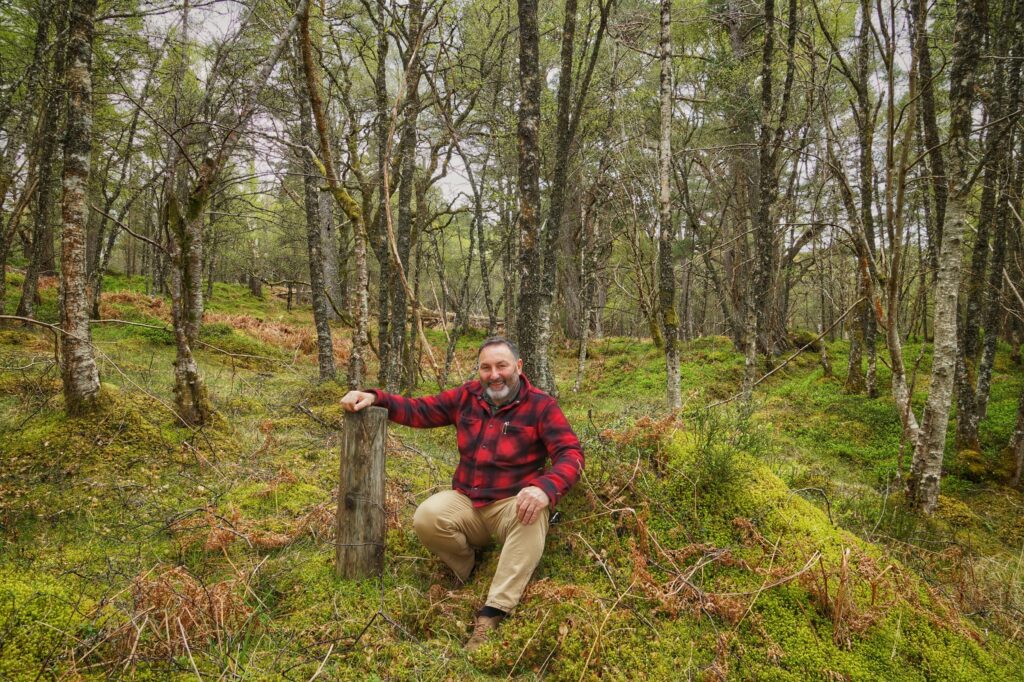
Methodology and Baseline Establishment
In 1983 and 1984, the Forestry Commission established ten transects at 200-metre intervals. In 1985, Christa Backmeroff and George Peterken recorded three of these transects in extreme detail (III, VII and X), covering a total area of 1,628 metres by 20 metres. The methodology involved recording the age, height, diameter at breast height (DBH), and spatial coordinates of every tree, sapling, and seedling within the plots (Peterken and Backmeroff 1988) (Table 3). By monitoring these parameters every ten years, researchers can calculate the frequency of mature tree death and the rate of recruitment.
Key Findings and Ecological Insights
The findings from the Backmeroff studies have highlighted the complex and slow-moving nature of pinewood regeneration (Peterken 1993). One significant insight is the identified “lag” between disturbance events, such as localized felling or windthrow, and subsequent recruitment (Peterken and Stace 1987). Comparative analysis between the Black Wood and other pinewoods revealed that recruitment was notably low in areas where disturbance occurred without adequate protection from browsing herbivores. In the Black Wood, recruitment was found to be lower than in sites like Glenmore, which showed a 20-year lag even with protection. These datasets are invaluable for national policy-makers, providing evidence of how factors like climate change and grazing pressure influence the survival of ancient habitats.
Table 3. Backmeroff Transect Monitoring Parameters and Data Collection, based on Peterken and Backmeroff (1988).
| Parameter | Data Collected | Scientific Implication |
| Tree Age and Height | Growth rates of various age classes | Understanding site productivity and aging |
| DBH and Basal Area | Stem density and biomass estimates | Tracking carbon sequestration and stand vigour |
| Seedling/Sapling Counts | Density of regeneration below 1.3m | Assessing future canopy replacement potential |
| Spatial Coordinates (x,y) | Geographic distribution of individual trees | Identifying gap-phase versus stand-replacement |
| Mortality Records | Frequency and cause of mature tree death | Understanding natural disturbance regimes |
Current Conservation Efforts and Management Framework
The management of the Black Wood is currently governed by a framework of national and international legislation. Approximately 85% of the site is managed by Forestry and Land Scotland (FLS), while the remaining areas are under private ownership (Forestry and Land Scotland 2015).
Regulatory Designations and Objectives
The forest is primarily protected under three designations: the SAC for its Caledonian forest habitat, the SSSI for its diverse biological features, and the Rannoch Lochs SPA for breeding birds. The overarching goal is to maintain the habitat in a “favourable” condition, which involves ensuring a diverse age structure and protecting local genetic distinctiveness (NatureScot 2020).
Restoration Strategies: PAWS and Grazing Management
A primary conservation effort is the restoration of Plantations on Ancient Woodland Sites (PAWS) (Scottish Natural Heritage 2007, NatureScot 2020, Forestry and Land Scotland 2015). This involves the phased removal of non-native conifer species, including Sitka spruce and Norway spruce, that were inter-planted in previous decades. This removal creates open ground, allowing native pine and birch to expand. Herbivore management remains a significant challenge; while low levels of grazing are required for certain open-habitat species, high levels prevent seedling survival. Currently, FLS uses perimeter fencing and culls to maintain “low” grazing impacts.
Future Conservation Plans and Resilience
As the Black Wood enters the mid-21st century, management is shifting toward resilience in the face of climate change. The South Rannoch Land Management Plan (2015–2025) outlines several priorities (Forestry and Land Scotland 2015, Halliday 2015).
Climate Adaptation and Pathogen Threats
Researchers are concerned with pathogens like Dothistroma needle blight, which could devastate the Scots pine population under warmer, damper conditions (Halliday 2015). Future management involves resilience planning, including identifying “refugia” that are stable under climate change and using local seed sources to preserve the genetic distinctiveness of the South Central pinewood group (Forestry and Land Scotland 2015).
Cultural Integration and Biocultural Diversity
A recurring theme is the balance between scientific management and cultural significance (Collins et al 2014, 2017). The Future Forest project, led by artists Tim Collins and Reiko Goto, explored the concept of biocultural diversity, integrating Gaelic place names and local history to reconnect the community with the forest (Collins et al 2017). This initiative posited that long-term survival depends not just on ecological monitoring but on public interest and a shared sense of identity (Collins et al 2014).
Historical Significance and Thematic Foundations
The foundational text for modern pinewood conservation is The Native Pinewoods of Scotland by H.M. Steven and A. Carlisle (1959).16 Before this monograph, these forests were often viewed merely as degraded timber resources. Steven and Carlisle were the first to provide an authoritative account of these forests as a distinct and historically significant ecosystem Collins et al 2014). They described the Black Wood as a “special place” and one of the principal surviving examples of indigenous pine forest, providing the scientific baseline for the management interventions and transect studies that followed (Steven and Carlisle 1959).
Final Thoughts: A Synthesis of Ecological and Cultural Stewardship
The Black Wood of Rannoch stands as a exemplar of the challenges and successes inherent in managing ancient semi-natural woodlands. From its roots in the post-glacial wilderness to its survival through industrial exploitation and global conflict, the forest has proven remarkably resilient (Bunce and Jeffers 1977). The transition from seeing the wood as a resource to viewing it as a national jewel reflects a broader shift in our relationship with the natural world.
The scientific rigour of the Backmeroff transects and the protections of the SAC and SSSI frameworks have ensured the physical survival of the forest’s ancient “granny pines”. However, the emerging paradigm suggests that the forest’s future depends equally on its cultural authenticity and the engagement of the communities that live alongside it. As climate change introduces new variables, the management of the Black Wood must remain adaptive, ensuring that this ten-thousand-year story continues to unfold.
References
Broekmeyer, M.E.A., W. Vos and H. Koop (eds.) 1993. European Forest Reserves. Proceedings of the European Forest Reserves Workshop, 6-8 May 1992, Wageningen, The Netherlands. Pudoc Scientific Publishers, Wageningen. 306 pp. URL: https://edepot.wur.nl/311571
Bunce, R. G. H., and Jeffers (eds.) 1977. Native Pinewoods of Scotland. Proceedings of Aviemore Symposium, 1975. Institute of Terrestrial Ecology, Natural Environment Research Council (NERC), Cambridge. 120 pp. URL: https://nora.nerc.ac.uk/id/eprint/7919/1/Native_pinewoods_Scotland.pdf
Collins, T. M., R. Goto and D. Edwards. 2014. Future Forest: the Black Wood of Rannoch, Scotland. Landscape Research Group, Oxford and Forest Research, Northern Research Station, Roslin. 60 pp. URL: https://cdn.forestresearch.gov.uk/2022/02/fr_blackwood_edwards_2015.pdf
Collins, T. M., R. Goto and D. Edwards. 2017. A critical forest art practice: the Black Wood of Rannoch. The Black Wood, Rannoch, Scotland. Landscape Research 43(2): 199–210. URL: https://doi.org/10.1080/01426397.2017.1318119
Culture for Climate Scotland. 2020. The Black Wood of Rannoch: Future Forest. Case Study. Culture for Climate Scotland, URL: https://cultureforclimate.scot/casestudy/the-black-wood-of-rannoch/
Forestry Commission Scotland. 2015. Action for the Environment on Scotland’s National Forest Estate. Forestry Commission Scotland, Inverness. 88 pp. URL: https://cdn.forestresearch.gov.uk/2015/03/fcms129.pdf
Forestry and Land Scotland. 2015. South Rannoch land management plan. Online Resources. Forestry and Land Scotland, URL: https://forestryandland.gov.scot/what-we-do/planning/active/south-rannoch
Forestry and Land Scotland. 2026. Black Wood of Rannoch. Woodland Conservation. Forestry and Land Scotland. Online Resource. URL: https://forestryandland.gov.scot/what-we-do/biodiversity-and-conservation/habitat-conservation/woodland/black-wood-of-rannoch
Halliday, D. 2015. South Rannoch Forest Plan 2015–2025. Forestry and Land Scotland. 46 pp. URL: https://forestryandland.gov.scot/media/bkqgkg4z/fdp-text-final-mar-2015.pdf
JNCC. Undated. Black Wood of Rannoch: Special Areas of Conservation. Online Resource. Joint Nature Conservation Committee (JNCC), Peterborough. URL: https://sac.jncc.gov.uk/site/UK0012758
NatureScot. Undated. Black Wood of Rannoch Site of Special Scientific Interest (SSSI), Citation. Nature Scot. 2 pp. URL: https://www.nature.scot/sites/default/files/site-special-scientific-interest/218/sssi-citation.pdf
NatureScot. 2020. Black Wood of Rannoch Special Area of Conservation (SAC), Conservation Advice Package. NatureScot, Battleby, Redgorton, Perth. 6 pp. URL: https://www.nature.scot/sites/default/files/special-area-conservation/8209/conservation-advice-package.pdf
Parviainen, J., D. Little, M. Doyle, A. O’Sullivan, M. Kettunen and M. Korhonen (eds.). 1999. Research in forest reserves and natural forests in European countries. Country Reports for the COST Action E4: Forest Reserves Research Network. EFI Proceedings No. 16. European Forest Institute, Joensuu. URL: https://efi.int/sites/default/files/files/publication-bank/2018/proc16_net.pdf
Peterken, G. F. 1993. Long-term studies in forest nature reserves. pages 35-48 In Broekmeyer, M.E.A., W. Vos and H. Koop (eds.) 1993. European Forest Reserves. Proceedings of the European Forest Reserves Workshop, 6-8 May 1992, Wageningen, The Netherlands. Pudoc Scientific Publishers, Wageningen. 306 pp. URL: https://edepot.wur.nl/311571
Peterken, G. F., and C. E. Backmeroff. 1988. Long-term monitoring in unmanaged woodland nature reserves. Research & Survey in Nature Conservation No. 9. Nature Conservancy Council, Peterborough. 40 pp.
Peterken, G.F., and H. Stace. 1987. Stand development in the Black Wood of Rannoch. Scottish Forestry 41: 29-44.
Scottish Natural Heritage. 2007. Black Wood of Rannoch Site of Special Scientific Interest: Site Management Statement. Scottish Natural Heritage (NatureScot), Battleby, Redgorton, Perth. URL: https://www.nature.scot/sites/default/files/site-special-scientific-interest/218/site-management-statement.pdf
Steven, H. M., and A. Carlisle. 1959. The Native Pinewoods of Scotland. Oliver and Boyd, Edinburgh, 368 pp. Review article here: https://academic.oup.com/forestry/article-pdf/32/2/201/6741500/32-2-201.pdf
Whayman, A. 1949. The Black Wood of Rannoch. Journal of the Forestry Commission 20: 77-82. URL: https://www.forestrymemories.org.uk/pictures/document/5299.pdf?r=1157641
Suggested citation
Wilson, E. R. 2026. The Black Wood of Rannoch: history, dynamics and conservation of a Caledonian pinewood. Forest Report. SRI-2026-FR03. Silviculture Research International. Published: 04 May 2026. URL: http://silviculture.org.uk/the-black-wood-of-rannoch
First Published: 4 May 2026 (v1.0)
Updated: 5 May 2026 (v1.3) Note: This page remains in development.
